
Disproportionately large breasts can be a physical and emotional burden. Chronic back and neck pain, postural issues, and physical limitations are a few of the concerns commonly associated with disproportionately large breasts. Women sometimes report self-consciousness, unwanted attention, and difficulty fitting into clothing as well. If you are experiencing any of these issues, breast reduction surgery is a potential solution.
If you have excessively large breasts, you may decide to pursue breast reduction surgery to potentially improve discomfort or to achieve a smaller and more proportionate breast size. Many patients find that it is a life-changing procedure because it can address both medical and aesthetic concerns.
As a double board-certified plastic surgeon with more than 30 years of experience, Dr. Jay Orringer is sensitive to the problems that large breasts can cause. Schedule your individualized consultation with Dr. Orringer to find out if this breast procedure might be a good option for you. We welcome patients from Beverly Hills, Los Angeles, Santa Monica, and Hollywood, California, as well as nationally and internationally.
- What is a Breast Reduction?
- Benefits of Breast Reduction Surgery
- Ideal Breast Reduction Candidates
- Your Breast Reduction Consultation with Dr. Orringer
- What to Expect From Your Breast Reduction Procedure
- Breast Reduction Recovery and Results
- Is Breast Reduction Surgery Covered by Insurance?
- Why Choose Dr. Orringer for Your Breast Reduction?
- Schedule Your Beverly Hills Breast Reduction Consultation
What is a Breast Reduction?
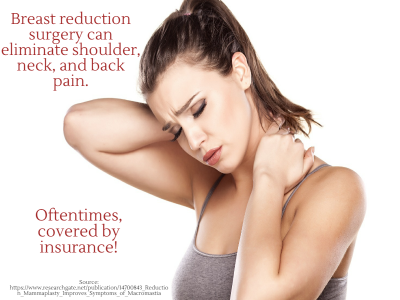 Also known as reduction mammaplasty, breast reduction is a surgical procedure that reduces the size of your breasts. The process involves removing excess breast tissue and skin. Additionally, the nipple and areola are typically repositioned to a more youthful position.
Some women struggle with macromastia, a condition characterized by excessive breast enlargement. Breast reduction surgery is often the optimal way to address this condition. However, you do not have to have macromastia to pursue breast reduction surgery.
Breast reduction surgery is often performed if you have large breasts and want to correct problems such as:
- Difficulty performing daily activities and exercising due to the size and weight of your breasts
- Chronic back, neck, or shoulder pain
- Postural changes related to large breast size
- Painful grooves, in the shoulders, created by bra straps
- Chronic skin irritation beneath your breasts
- Trouble finding bras and clothing that fit
- Feeling overweight, unattractive, or matronly because of your breast size
- Receiving unwanted attention
Benefits of Breast Reduction Surgery
There are many potential benefits associated with breast reduction surgery. This procedure is often a great option to potentially alleviate the issues associated with overly-large breasts. For many women, the physical, aesthetic, and psychological advantages of a breast reduction are life-changing.
You may experience the following benefits after your breast reduction:
- Reduced back, neck, and shoulder pain
- Ability to exercise and perform daily tasks more comfortably
- Improved posture
- Access to more bra choices and clothing styles
- Improved comfort while laying on your stomach
- Enhanced self-image
- Reduced self-consciousness in public
- Reduced irritation under the breasts
Overly large breasts can add pounds of extra weight to your frame. By reducing your breast size, you may notice that it is easier and more comfortable to move around. This alone can significantly improve your quality of life.
Ideal Breast Reduction Candidates
If you feel that your large breasts are interfering with your daily life, you may be a great candidate for breast reduction surgery. You may decide to pursue breast reduction if you suffer from heavy, pendulous breasts that cause back and neck pain or skin irritation. You may also benefit from this procedure if you are unhappy with the size and shape of your breasts from an aesthetic perspective.
It is often best to wait until you are at least 18 years old before committing to breast reduction surgery. Depending upon breast size, patient symptoms, and maturity, some patients may proceed at a younger age. Keep in mind that some women may desire a second surgery later in life due to ongoing breast growth, effects of pregnancy, and weight gain.
An in-person consultation is necessary to evaluate your candidacy. Generally speaking, you may be an ideal breast reduction candidate if you:
- Are physically healthy
- Don’t smoke or are willing to quit temporarily to facilitate healing
- Want to achieve a lighter, more proportionate breast size
Your Breast Reduction Consultation with Dr. Orringer
If you are considering a breast reduction in Beverly Hills, please schedule a private, individualized consultation at our welcoming practice. This appointment is a great way to learn more about the procedure and receive personalized recommendations.
During this initial visit, Dr. Orringer will take the time to understand your goals, expectations, and lifestyle. At this time, he will thoroughly evaluate your candidacy for breast reduction. This process involves a discussion of your medical history, education regarding the nature of the procedure, and a physical examination.
Before you arrive, consider writing down any questions you have about breast reduction surgery. This consultation is an excellent opportunity to get answers from a double-board certified plastic surgeon.
Dr. Orringer is committed to patient education and helping you feel confident about this important decision. He will have an open discussion with you about the benefits and considerations associated with this surgery.
Click here to learn more about what to expect from your plastic surgery consultation.
What to Expect From Your Breast Reduction Procedure
Breast reduction surgery is performed under general anesthesia. In addition, Dr. Orringer will place local anesthetic into the breasts during the procedure. You will be carefully monitored by a physician anesthesiologist.
Prior to the procedure, Dr. Orringer will make skin markings as part of the breast reduction plan. After the anesthesia has been administered, Dr. Orringer will begin the surgery. These incisions usually follow similar patterns to those used during a breast lift. However, with breast reduction, in addition to lifting nipple position and removing excess skin, redundant tissue is removed as well.
Incision options typically include:
- A lollipop shape around the areola and vertically down toward the breast crease
- An anchor shape, which is a lollipop shape with an additional line in the breast crease region
After making the incisions, Dr. Orringer will remove underlying breast tissue and reshape the breast contour. He will also reposition the nipple and areola.
Dr. Orringer will often reduce the size of enlarged areolas. Lastly, he will remove and tighten excess breast skin before closing the incisions.
Breast reduction surgery does create scars and this must be considered in the decision-making. However, time and diligent scar aftercare can greatly improve their appearance. Scars which can typically be covered under most bras and bathing wear are often considered by patients to be a worthwhile tradeoff for smaller, shapelier breasts and potential improvement in symptoms.
Click here for more information about our surgical facilities.
Breast Reduction Recovery and Results
 Dr. Orringer does not typically use drains, which are silicone tubes that are sometimes used during the initial stage of breast surgery recovery. Instead, you are immediately placed in a bra. While every patient is unique, many patients express that they experience less post-surgical pain than they had anticipated.
Breast reduction surgery can be performed as an out-patient procedure, meaning you go home after surgery and do not stay overnight in a hospital or other facility. However, Dr. Orringer prefers you to stay at the hospital or Serenity Aftercare, for the first night, in an effort to maximize your comfort and safety.
He will see you the next morning and at that time, despite some early swelling, you will usually see a pleasing change. Your results will further appear as initial swelling and bruising subside. Dr. Orringer and his staff consider it a privilege to share in your care and strive to provide you with a very positive experience, which emphasizes safety, comfort, and early return to activity.
When you leave, you will need to follow Dr. Orringer’s post-operative instructions. These directions may include:
- How to care for your breasts
- Approved and restricted activities
- Medications that you may need to take
- When to follow up with Dr. Orringer
Is Breast Reduction Surgery Covered by Insurance?
Breast reduction surgery is sometimes covered by insurance, though not always. Insurance authorization generally depends on if your surgery is considered medically indicated or not.
Requirements vary by insurance provider, although you often must prove that overly large breasts are causing health issues and that you have pursued alternative treatments such as non-steroidal anti-inflammatory medications, physical therapy, or orthopedic or chiropractic care. Our team will gladly help you determine if insurance may cover some or all of your surgery.
Insurance providers do not cover aesthetic breast reduction surgery. However, it is still common to pursue breast reduction for cosmetic reasons.
Why Choose Dr. Orringer for Your Breast Reduction?
Dr. Orringer is certified by both the American Board of Plastic Surgery and the American Board of Surgery and is a Fellow of the American College of Surgeons. He is internationally recognized and believes in a caring, individualized and compassionate, patient-centered approach.
Dr. Orringer has been performing breast reduction surgery for over 30 years. Each procedure is tailored to address the unique goals and concerns expressed by each patient. Dr. Orringer and his staff are dedicated to providing you with a personalized, professional, and positive experience.
Every woman has her own special concerns, as well as her own concept of beauty. Some women desire larger breasts while other women find smaller breasts to be more proportionate and aesthetic. Dr. Orringer strives to understand each patient’s unique goals and considerations, through caring and personalized consultation, to arrive at an individualized treatment plan.
Schedule Your Beverly Hills Breast Reduction Consultation
Contact us at 310-273-1663 to schedule your individualized breast reduction consultation with Dr. Orringer today. Often, a consultation is the first step toward feeling more confident and comfortable. We proudly welcome patients from Beverly Hills, Los Angeles, Santa Monica, and Hollywood, California, as well as nationally and internationally.